Home Studio Acoustic Guide
The full explanation behind every Studio Music Tools calculator, in one guide.
What it does
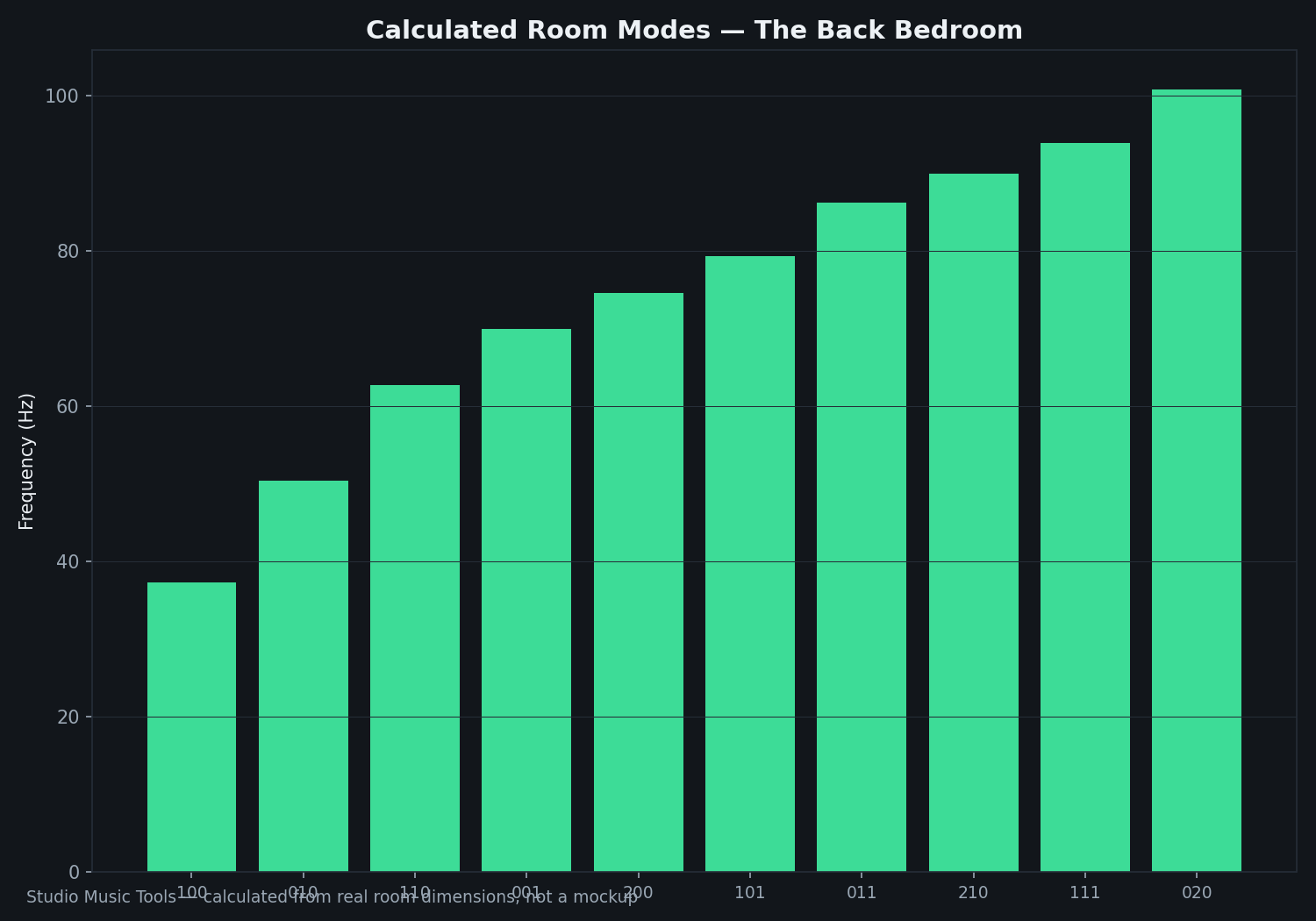
A complete, original written guide covering room modes, SBIR, first reflections, reverberation, absorption, bass trapping, diffusion, speaker placement, listening position, measurement, and treatment strategy - written for producers, not engineers.
Built for: Anyone who wants to actually understand their room, not just get numbers out of a calculator.
Features
- Why small rooms sound problematic
- Room modes explained without the math-class tone
- Speaker Boundary Interference Response (SBIR)
- First reflections and the mirror trick
- Reverberation, absorption, bass trapping, diffusion
- Speaker placement and listening position
- How to measure your room (equipment + method)
- A step-by-step treatment strategy
What's included
smt-home-studio-acoustic-guide-v1.0.pdfREADME.md
Compatibility
- Any PDF reader, on any device
- No spreadsheet software needed for this product
What this does not do
- A written explanation, not a calculator — for the actual numbers for your room, pair it with the Room Mode Calculator, RT60 Calculator, or the full Studio Acoustic Toolkit
- Does not cover professional studio construction (isolation, double-wall construction, HVAC design) — it's written for treating an existing room, not building one from scratch
- Not a substitute for a professional on-site survey for critical listening or commercial spaces
Frequently asked questions
Is this the same information as the free guides on the site?
It covers the same core physics as the free content, but as one complete, organized document written end-to-end with the full step-by-step treatment strategy included — useful if you'd rather read it once, in order, than piece it together from articles.
Do I need this if I already bought a calculator?
Not required — each calculator includes its own guide PDF. This is for anyone who wants the full picture in one place, or the Toolkit bundle if you want everything together.
Is it beginner-friendly?
Yes — it's written for producers, deliberately avoiding textbook tone, while staying accurate to the underlying acoustics.